What i treat - and how it works
performance Athletes and Sports injuries
If you're a CrossFitter, Hyrox athlete, lifter, or runner, the injuries you're dealing with are specific to the demands of your sport. Generic physio advice — rest, ice, avoid load — often isn't the right call.
The approach here starts with understanding how you move under sport-specific load: where the fault is, what's driving it, and what it costs you if it's not addressed. Treatment combines hands-on work with targeted exercise rehabilitation and a clear return-to-training plan.Common presentations:
Low back pain and hip loading issues in lifters
Shoulder and overhead mechanics in CrossFit and Olympic weightlifting
Knee and ankle pain in runners and Hyrox athletes
Overuse injuries from high training volume
Return to sport after injury or surgery
Home rehabilitation and post-operative recovery
For clients recovering from surgery — joint replacements, spinal procedures, fractures — or managing age-related decline, getting to a clinic is often the first barrier to care. Mobile physiotherapy removes that barrier entirely.Treatment is delivered in the environment where you actually live, move, and recover. That means realistic goals, practical exercises, and a plan that works around your home — not a generic clinic protocol.Common presentations:Post-operative rehabilitation after hip and knee replacementsReturning to function after spinal surgeryFalls prevention and balance trainingRebuilding strength and confidence after a long period of reduced activityMobility and independence support for elderly clients
How a session works
1. Book — Submit an enquiry via the contact form. All bookings are reviewed before confirmation to ensure the service is appropriate for your situation.
2. Assessment — The first session is 60 minutes. It covers a full movement and injury assessment to establish the root cause — not just the site of pain.
3. Treatment — Hands-on treatment begins in the first session: joint mobilisation, soft tissue work, dry needling where appropriate, and targeted exercise.
4. A plan — You leave with a clear rehabilitation plan and exercises to work on between sessions. Homework is part of every session — passive care alone is not the model.
5. Progress — Follow-up visits (45–60 minutes) track progress, progress loading, and adapt the plan as you improve.
FEES
INITIAL CONSULTATION (60mins) $200
FOLLOW-UP VISIT (45-60mins). $180
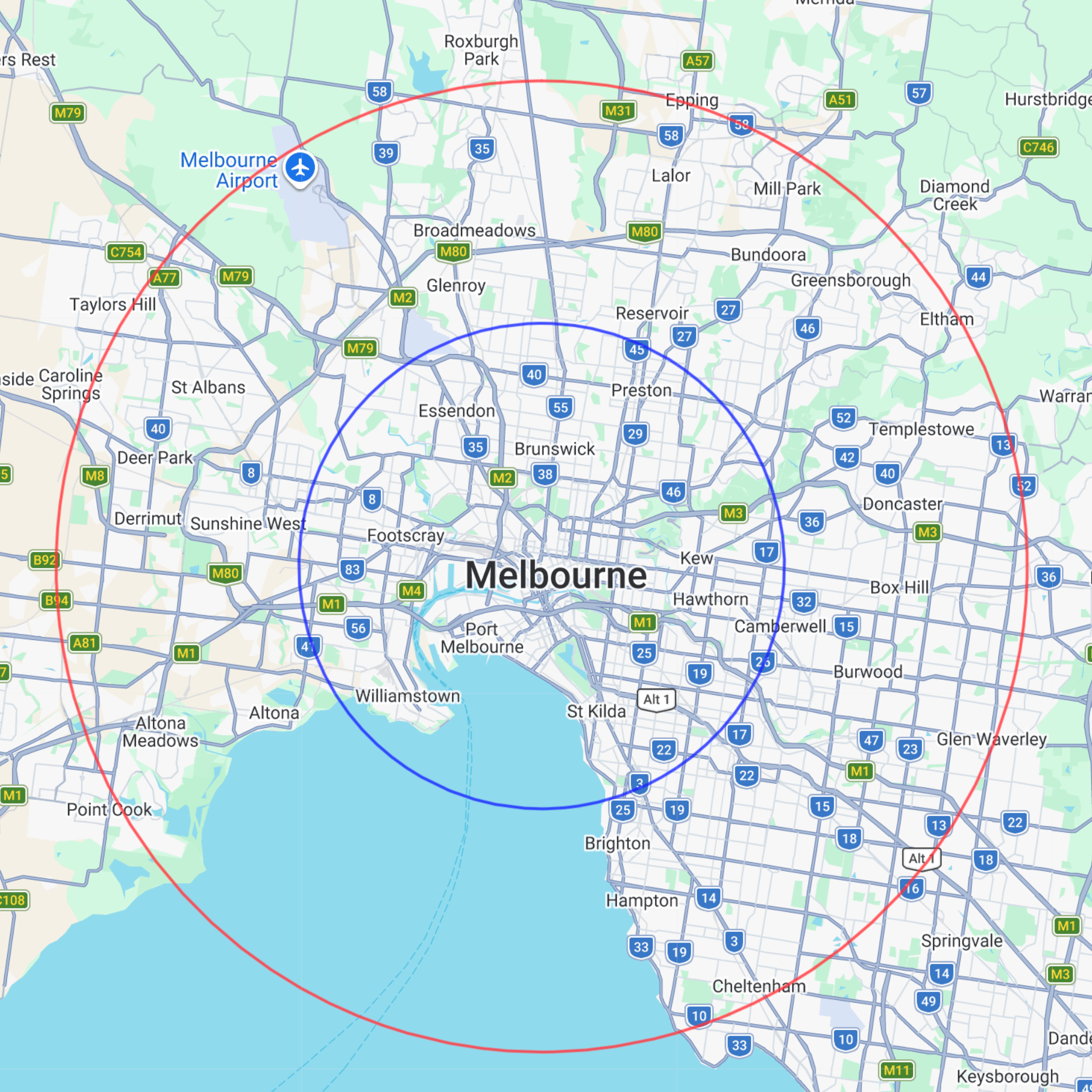
Travel fees apply for clients in the secondary service zone (10–20km from Melbourne CBD). Fees are confirmed before booking.
Private health insurance rebates may apply depending on your policy and extras cover. Medicare does not cover standard physiotherapy consultations.
SERVICE AREA
Mobile physiotherapy is provided within a 20km radius of Melbourne CBD.
Primary zone (0–10km): No travel fee. Inner Melbourne suburbs including Richmond, Fitzroy, Collingwood, South Yarra, Carlton, Hawthorn, Prahran, St Kilda, Port Melbourne, Cremorne, Abbotsford, and surrounding areas.
Secondary zone (10–20km): Travel fee applies. Availability based on scheduling.
Include your suburb in the enquiry form to confirm coverage.
ENQUIRY FORM
To proceed, provide your name, email, suburb, a brief description of what you’re dealing with, what you’re aiming to return to, and your preferred availability. This ensures your session can be planned appropriately.
All enquiries are reviewed prior to booking to ensure appropriate care & scheduling.